
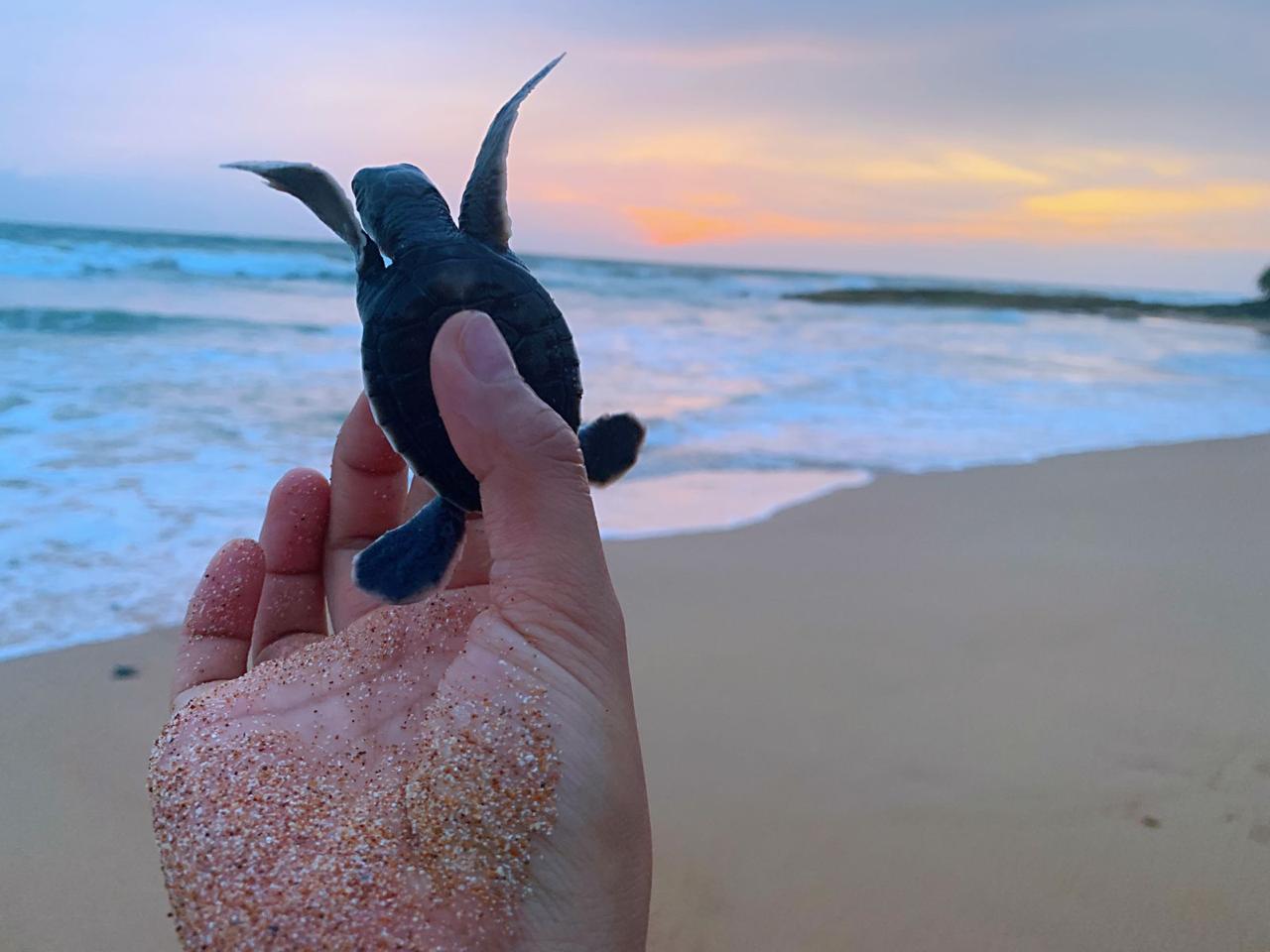
Project Overview
Hands-on marine conservation on Sri Lanka's southern coastline — hatchery management, turtle rescue and rehabilitation, hatchling releases, and beach conservation. Live steps from the Indian Ocean in Galle. All five sea turtle species found in Sri Lankan waters are endangered. Your volunteer work directly contributes to reversing this crisis.
Boosa Beach
Critical nesting hotspot where conservation efforts are concentrated.
Galle Beach
Near the historic UNESCO Galle Fort, providing essential nesting habitat.
Koggala Beach
Important turtle nesting site on a beautiful coastal stretch.
Full Programme Guide
Complete details on activities, schedule, requirements, health & safety, and pricing.
Why Sea Turtles Need Help
Hope exists. Dedicated protection, proper hatchery management, and community education are demonstrating that population declines can be reversed.
Your Role as a Volunteer
Monitor and manage turtle nests in a protected sand incubation area. Perform temperature and moisture checks throughout the 45–60 day incubation period, then release hatchlings into the ocean.
A Typical Week
No two days are identical — conservation runs on nature's schedule.
Morning census walk along beaches
Breakfast
Hatchery checks, nest monitoring, tank cleaning
Free time
Lunch
Free time, or assist with community teaching programme
Dinner
Free time or hatchery guarding shift
Accommodation & Meals
Housing
Shared dormitory-style rooms with beds, fans, and mosquito nets near the beaches.
Meals
3 meals daily — Sri Lankan rice and curry, roti, tropical fruits, and Western options. Dietary requirements accommodated.
Community
Common areas to socialise with fellow volunteers from around the world.
Location
Minutes from Boosa, Galle, and Koggala beaches. Galle Fort, markets, ATMs, and restaurants close by.
Volunteer Gallery
Weekend Exploration
Weekends are completely free. Sri Lanka is very affordable — meals £2–6, day trips £15–60.
Galle Fort
0 kmUNESCO World Heritage colonial fort with ocean views, shops, and cafés.
Unawatuna
10 kmCalm swimming, snorkeling, diving, and vibrant nightlife.
Mirissa
25 kmWorld-famous whale watching (Nov–Apr), crescent beach, surfing.
Yala National Park
130 kmWorld's highest leopard density, elephants, sloth bears.
Who Should Apply?
Perfect For
- Marine biology and conservation students gaining field experience
- Gap year students wanting meaningful adventure
- Career changers exploring marine conservation
- Families with teenagers (minimum age 16)
- First-time volunteers wanting a supportive introduction
Not Suitable For
- Luxury travel seekers requiring constant comfort
- Those unable to handle shared bathrooms, fans instead of AC, local food
- Inflexible schedulers needing predictable daily routines
Age: 16+ (parental consent for 16–17) · Language: Functional English · Min. stay: 1 week (2+ recommended)
Included & Excluded
What's Included
- Accommodation in shared volunteer housing near beaches
- Three meals daily (Sri Lankan & Western, dietary accommodations)
- All turtle conservation activities & comprehensive training
- Hatchery management, hatchling releases, rescue & rehab work
- Beach cleanup, morning census, community education, research training
- 24/7 in-country support & certificate of participation
Not Included
- International flights
- Sri Lanka visa / ETA (approx. £40 online)
- Travel insurance (MANDATORY — must cover volunteer activities)
- Personal expenses, weekend excursions, airport transfers
- Vaccinations
Health & Safety
General Safety
Galle is generally very safe. Standard travel precautions apply.
Wildlife Safety
Full training for all turtle-handling. Never approach animals without supervision.
Sun & Heat
28–32°C with high humidity. SPF 50+, wide-brimmed hat, 3–4 litres of water daily.
Health Prep
Hepatitis A, Typhoid, Tetanus, and Dengue protection recommended. Consult a travel clinic 6–8 weeks before departure.
24/7 Support
Local coordinator on call at all times. Well-equipped hospitals in Galle.
Vaccinations & Insurance
Travel insurance is MANDATORY — must cover volunteer activities, animal work, and emergency evacuation.
Travel insurance is MANDATORY. Your policy must explicitly cover volunteer activities, working with animals, medical treatment, and emergency evacuation.